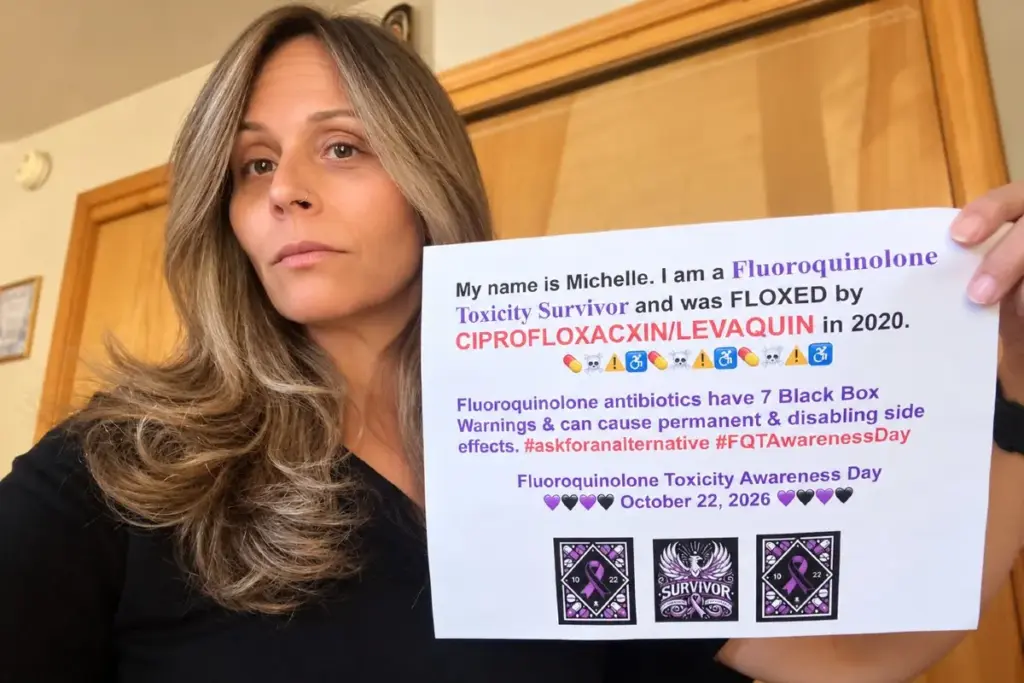
Born Different, but Not Knowing Why
I was born into a body that was different from the beginning.
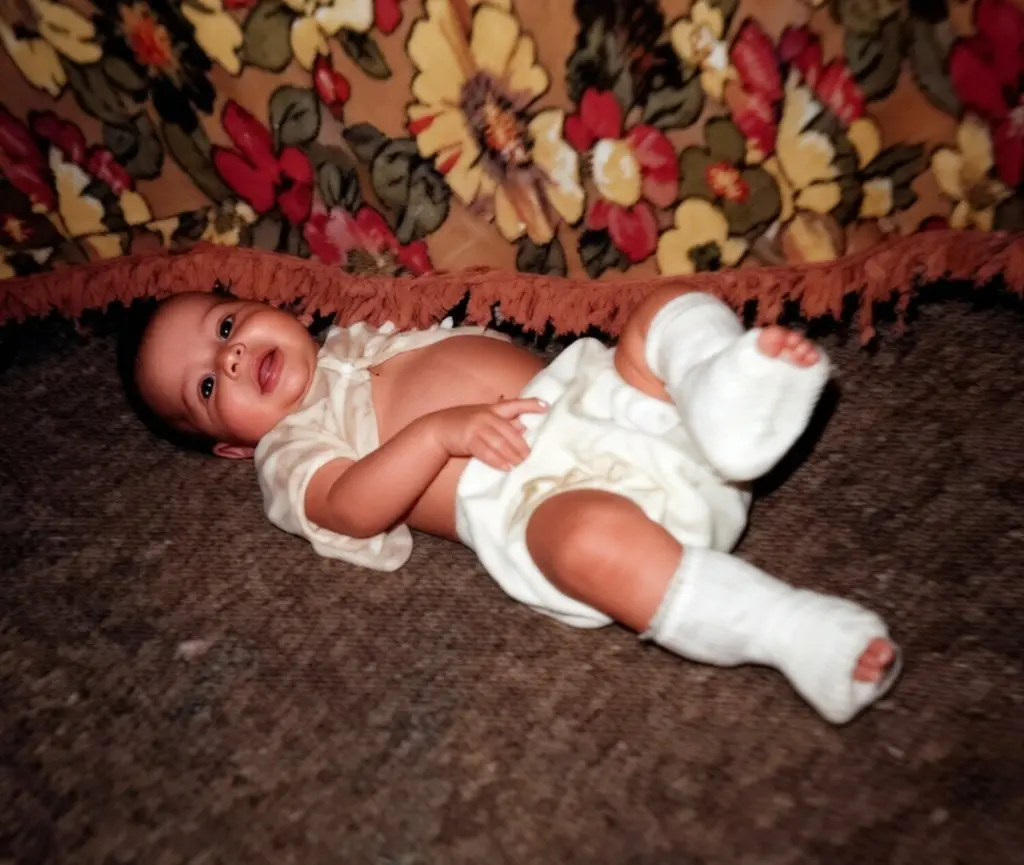
- Clubfoot.
- Left hip dysplasia.
- Leg casts as an infant.
As an adolescent, I experienced severe growing pains, never realizing they might be connected to conditions that would take years to identify. Years passed. I lived life pain-free.
By 2006, I was in the best shape of my life after losing 100 pounds through exercise and a low-carb diet. On May 9, 2006, I donated a kidney to my husband, Martin, an act of love I will never regret. We just celebrated our 20-year kidney transplant anniversary this year.
At that time, I had not yet developed the debilitating symptoms of Chiari Malformation or Tethered Cord Syndrome (TCS). Then, in my 30s, everything changed.
2008: When the Symptoms Began
After riding a roller coaster in 2008, I immediately began experiencing symptoms that would eventually be associated with Chiari Malformation and TCS.
Brain imaging showed evidence of Chiari, but doctors didn’t interpret the findings in a way that led to answers. Because my cerebellar tonsillar herniation measured “only” 5 millimeters, doctors dismissed my symptoms as insignificant.
I knew something was wrong, but I struggled to get neurologists and neurosurgeons to take me seriously. Exhausted and frightened, I researched and advocated for myself until I finally found a specialist who understood.
Finding My Hero: Dr. John Oro
At 39, I found Dr. John Oro at the Colorado Chiari Institute. He diagnosed me with Chiari Malformation and Tethered Cord Syndrome.
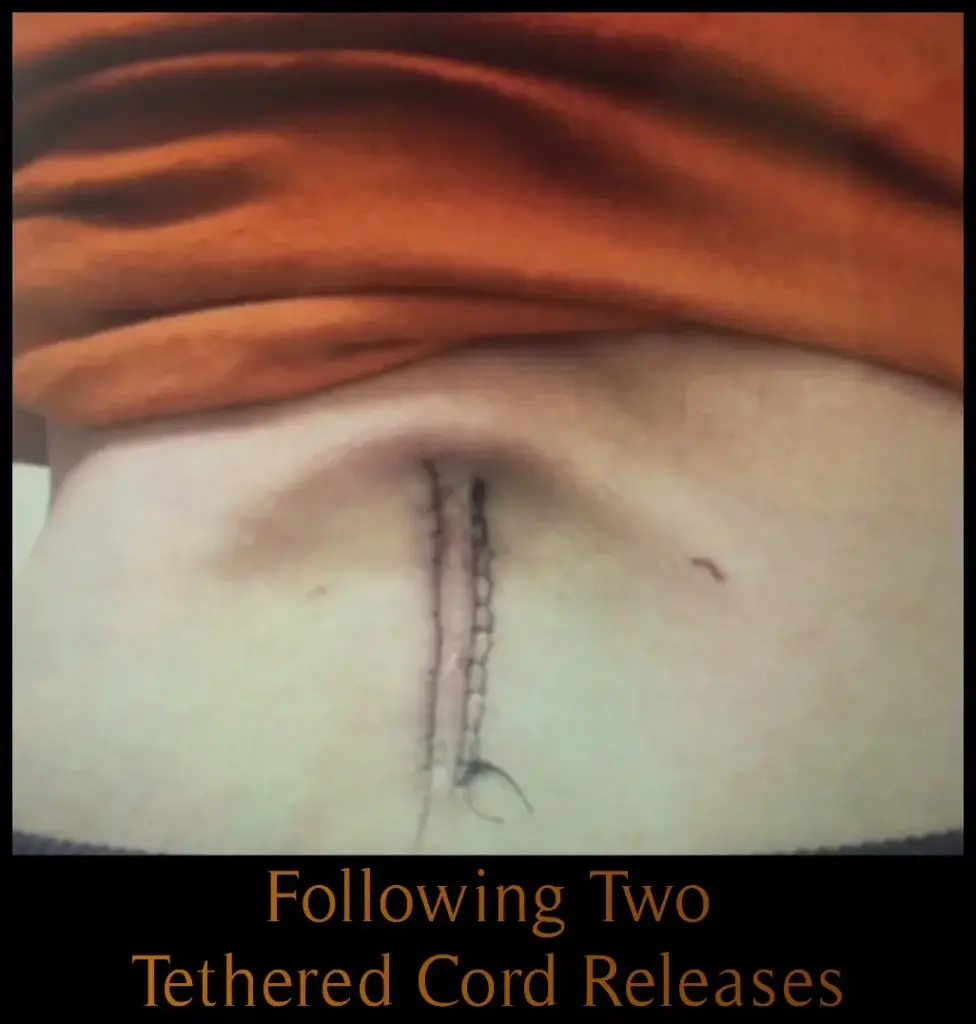
My TCS symptoms were more severe than my Chiari symptoms at the time, so in 2009, Dr. Oro performed my first spinal cord detethering surgery. For the first time, I felt understood.
Five Years Later: The Tethered Cord Returned
Approximately five years later, my spinal cord retethered, and my symptoms returned worse than before.
I traveled back to Colorado, where Dr. Oro performed another detethering surgery that lasted about four and a half hours. Afterward, I was able to “manage” my Chiari and TCS symptoms for a year.
I hoped I could finally move forward, but my medical journey was far from over.
2016: The Crack in My Neck
In 2016, I heard and felt a crack in my neck. From that day forward, my Chiari symptoms became severe, and I began desperately seeking decompression surgery.
Dr. Oro had retired, so I had to find another specialist. Eventually, a UCLA neurosurgeon agreed to perform the procedure.
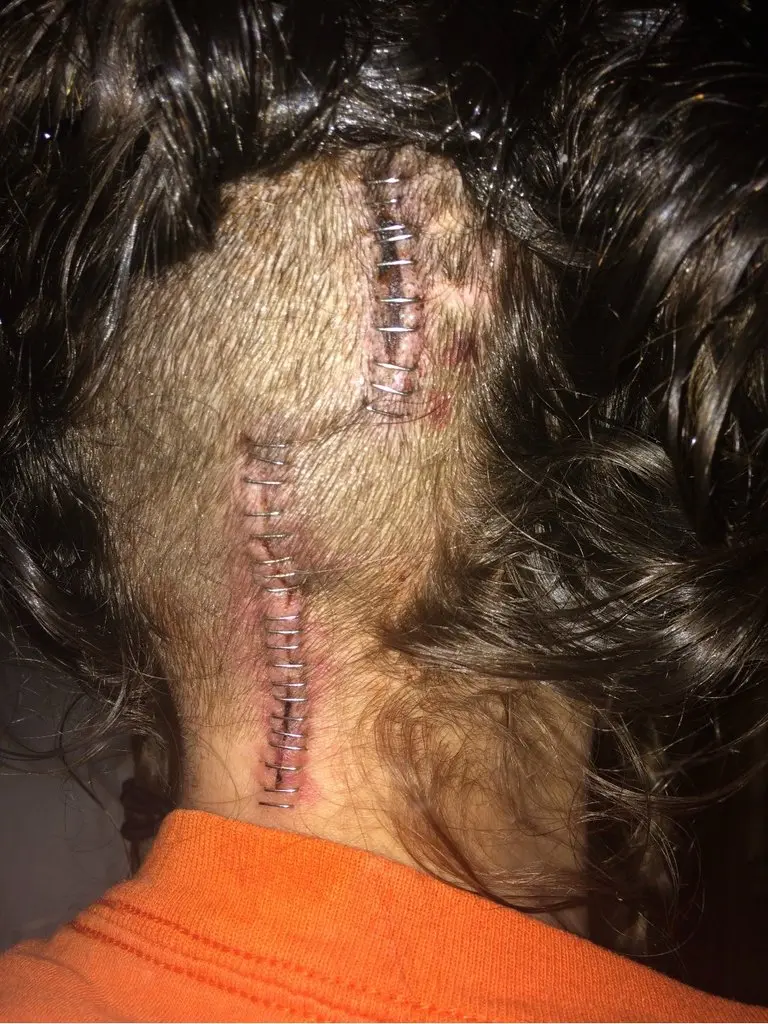
The six-hour surgery included cauterizing my cerebellar tonsils. Waking up was the most painful experience I had ever endured. I begged the medical staff to knock me out because the pain control was not working.
I eventually recovered, carrying the memory of that experience and 30 staples in my head. For approximately eight months, I felt some relief.
Then my symptoms returned.
The Clear Fluid: Discovering My Cranial CSF Leak
After those eight months, clear fluid began dripping from my nose, followed by horrific head pain. Local testing for a cranial cerebrospinal fluid (CSF) leak was negative.
Through my own research, I found Dr. Edward Hepworth in Colorado, a cranial ENT specialist who treats difficult-to-diagnose CSF leaks. After waiting eight months for an appointment, I traveled to Colorado and underwent a 48-hour hospital admission for a pledget study.
The leak was finally found.
In 2019, Dr. Hepworth repaired my cranial leak. During that same trip, I also had a hole in my heart closed.
Hypermobile Ehlers-Danlos Syndrome: Connecting My Issues
In 2021, I was finally diagnosed with Hypermobile Ehlers-Danlos Syndrome (hEDS), a connective tissue disorder affecting joints, ligaments, and other tissues.
I had suspected hEDS for years, but obtaining a diagnosis was extremely difficult. The diagnosis helped connect some of the many conditions I had experienced, including clubfoot, hip dysplasia, Chiari symptoms, TCS, and my cranial CSF leak.
Each diagnosis added clarity, but none erased the pain or the years I had spent fighting to be heard.
Eighteen Surgeries: Learning the Language of Hospitals
Over the years, I have undergone 18 surgeries.
I learned the smell of hospitals, the sound of monitors, the fear before anesthesia, and the vulnerability of waking up unsure what pain would come next. I also learned how to navigate medical care and advocate for myself.
For years, I thought brain surgery was the worst pain I would ever experience.
I was wrong.
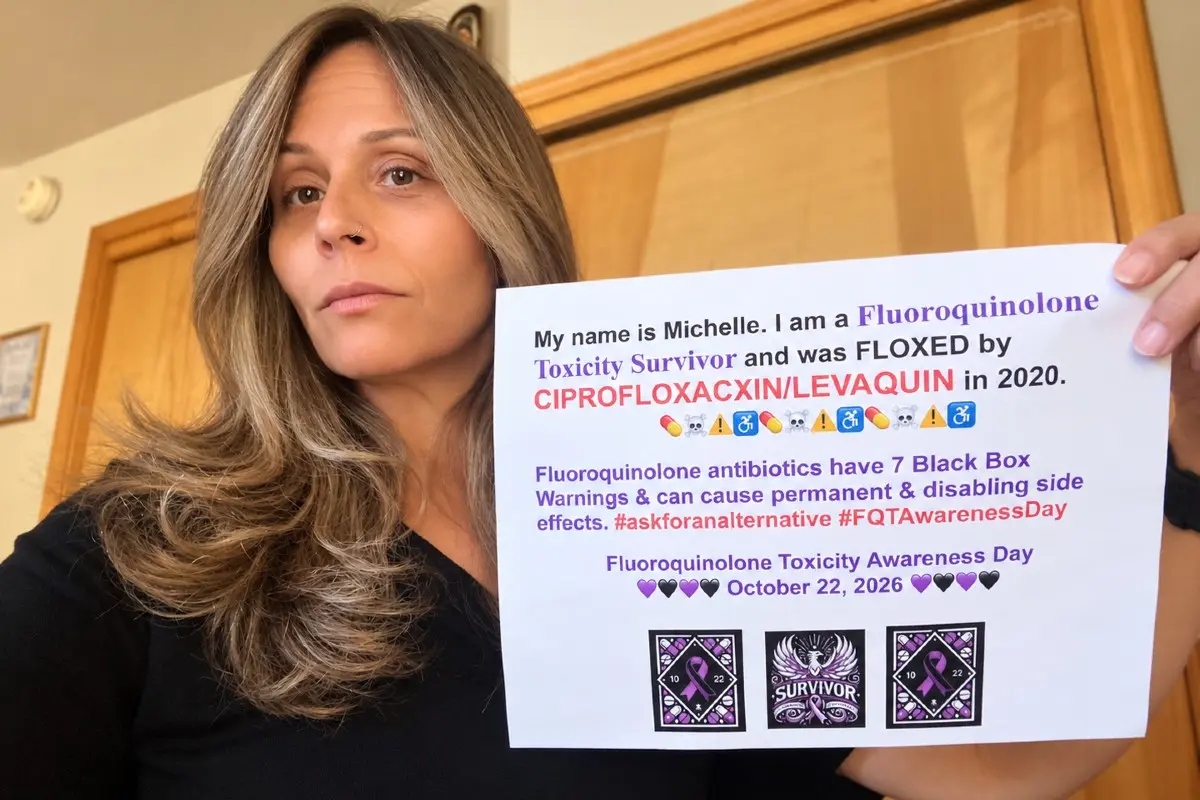
2020: The Day I Was Floxed
In 2020, I was hospitalized for an infected cyst below my parotid gland. I received Ciprofloxacin followed by intravenous Levaquin (levofloxacin), both fluoroquinolone antibiotics, over two days.
The day I was discharged, my life changed.
Severe, systemic pain began almost immediately. It spread throughout my body, making every movement difficult. I could barely walk, couldn’t tolerate anyone touching my feet, and couldn’t wear shoes.
I had survived brain surgery and spinal cord surgeries, so I knew what pain and recovery felt like. This was different. Surgery has an ending, an incision that heals, and the hope of recovery. Being floxed became something I had to live inside.
I felt like a walking corpse. At times, the suffering was so overwhelming that I wanted to die.
A Year of Medical Trauma and Gaslighting
For the next year, I lived in severe pain without answers. Doctors referred me to behavioral health because they could not explain my physical symptoms.
Being unable to walk normally, tolerate touch, or wear shoes while feeling disbelieved caused profound emotional harm. The experience became medical PTSD.
Then I learned about Fluoroquinolone Associated Disability, commonly known as FQAD. For the first time, I found information that connected my symptoms to the antibiotics I had received.
I finally had a name for what I believed had happened to me.
Spending Our Savings to Find Relief
My husband and I spent $23,000 of our savings on a five-day IV treatment followed by stem cell therapy. We made that decision because I was suffering so severely and needed a chance at a better quality of life.
I believe those treatments helped keep me from ending up in a wheelchair, but they did not restore my former life.
I am disabled now and live with severe pain every day. The woman I was before 2020 is not the woman I am today, and I continue to grieve what I have lost while learning to live with my body as it is.
January 2026: Finally Having a Diagnosis
In January 2026, three months after the CDC approved a new ICD-10 diagnosis code for FQAD, I met with my primary care doctor to pursue official documentation of the long-term effects I had experienced after receiving fluoroquinolones.
My medical records now include: T36.AX5 — Adverse effect of Fluoroquinolone antibiotics, sequela (long-term effects).
After years of pain, confusion, and dismissal, I finally had validation, a diagnosis, and a name for what happened to me. 💜
This documentation does not erase my pain or restore my former life, but it matters. I wish I had known about the potential risks before receiving those medications. I wish I had been warned that serious, prolonged, and disabling reactions were possible.
I cannot change what happened, but I can tell my story.
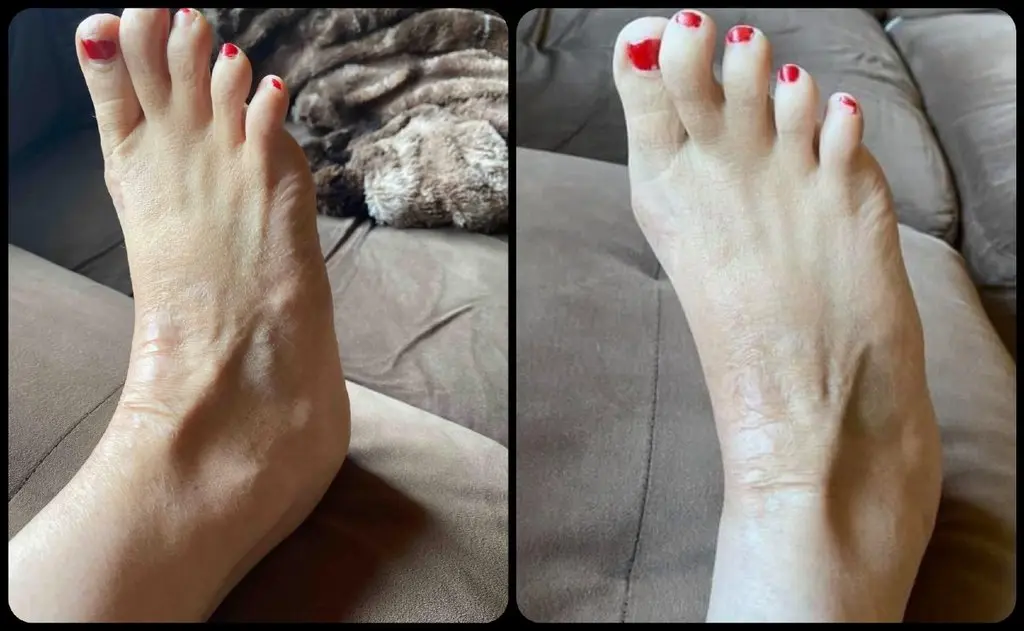
What Fluoroquinolones Did to My Right Foot
My right foot has become a visible reminder of the physical suffering I have experienced since receiving fluoroquinolones.
I want people to understand that serious adverse drug reactions can extend far beyond a hospital stay. When symptoms begin suddenly and pain becomes disabling, people deserve to be listened to and taken seriously.
I cannot undo what happened to my body, but I can raise awareness about fluoroquinolone-associated disability and encourage others to learn about the potential risks of these medications and seek medical care if concerning symptoms develop.
Many people are suffering, searching for answers, and struggling to be believed.
I am a daughter, a wife, a mother, a nana, and a woman who has survived experiences I never imagined facing.
I am more than my diagnoses, my surgeries, and the pain I live with.
If sharing helps someone find answers or feel understood, I will keep sharing.
Because after everything I have endured, I still have a voice, and I intend to use it!
*I dedicate this story to my family, my greatest blessings and my strongest support system throughout this difficult journey. To my husband, Martin, and our three beautiful daughters: Thank you for loving me through the pain, the tears, and the setbacks. Thank you for standing beside me, holding me up when I felt like I was falling apart, and loving me through the long haul. I am forever grateful for each of you. To Mom and Dad, and to my Wolf Pack, thank you for being part of my journey and for the love, strength, and support you have given me along the way. To Dr. Mark Ghalili, who saved my life. And to my fellow Floxies and everyone suffering from Fluoroquinolone Toxicity: this story is for you, too. For those living with invisible pain, grieving the lives they once knew, fighting to be believed, and finding the strength to keep going. You are not alone. Your pain matters, your story matters, and your voice deserves to be heard.
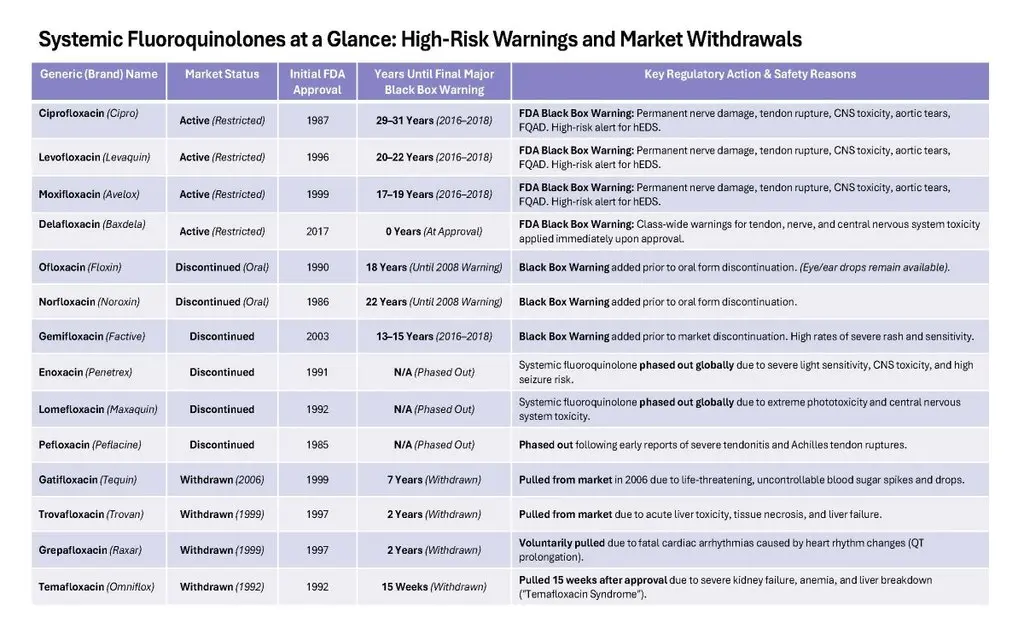
To read more on the safety issues surrounding fluoroquinolones, check out our article: “When “Safe and Effective” Fails: Fluoroquinolones and the Erosion of Public Trust.”